
Understanding RAID Technology and Its Benefits
RAID, which stands for Redundant Array of Independent Disks, is a technology that combines multiple hard drives into one unit. This setup improves data storage performance, increases storage capacity, and enhances data redundancy. By using several disks to share or mirror data, RAID can offer higher reliability and speed than a single disk drive. It’s an essential component in many computer systems today, particularly in servers where uptime and quick data access are critical.
The Advantages of Using RAID Systems
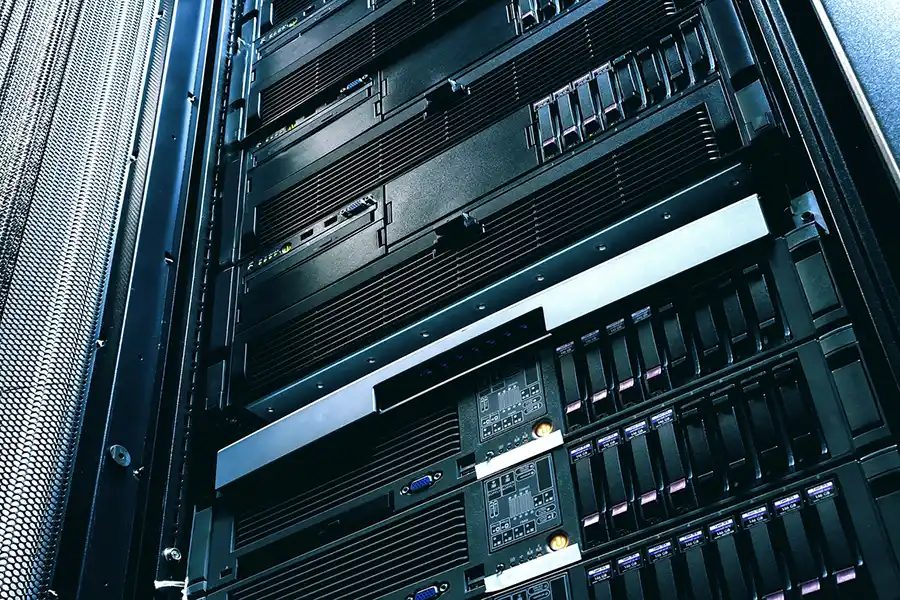
RAID systems provide numerous benefits that make them popular in both consumer and enterprise applications. One significant advantage is increased fault tolerance, meaning if one disk fails, the system can still operate without data loss. Additionally, RAID configurations can significantly improve read and write speeds by distributing data across multiple disks. This makes it ideal for environments requiring high performance, such as video editing or database management.
How RAID Differs From Raid Data Recovery
While RAID focuses on enhancing storage efficiency and reliability, raid data recovery involves retrieving lost or corrupted data from a failed RAID array. It’s a specialized process that often requires professional assistance due to the complexity of RAID setups. Efficient raid data recovery ensures that even when a RAID fails, valuable information can be restored, minimizing downtime and potential data loss.
Common Challenges Associated With RAID Configurations
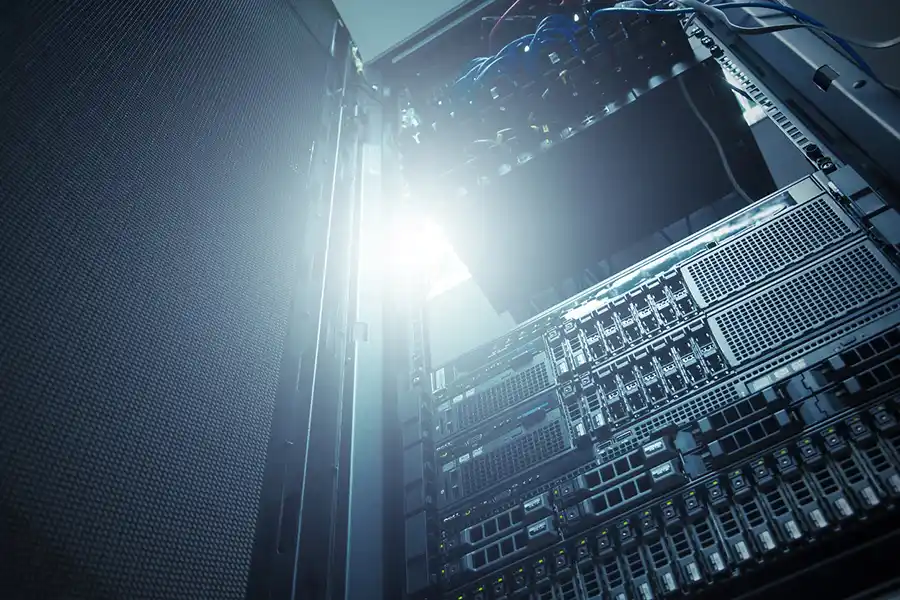
Despite its advantages, RAID also presents some challenges. Misconfigured arrays can lead to performance issues or data loss. Moreover, not all RAID levels offer protection against all types of failures; for example, RAID 0 offers no redundancy. Users must carefully choose the appropriate level based on their specific needs and risk tolerance.
Steps for Implementing a Successful RAID Setup
- Select the right RAID level based on your performance and redundancy needs.
- Use identical drives to ensure compatibility and performance consistency.
- Regularly monitor the health of your drives with diagnostic tools.
- Ensure you have a backup strategy in place to prevent data loss.
Expert Tips for Managing Your RAID System
Managing a RAID system effectively requires some best practices. First, always conduct regular backups despite having a RAID setup, as this adds another layer of security. Monitoring the health of each disk in the array using software tools can help detect issues early. Also, upgrade firmware regularly to take advantage of improvements and bug fixes that enhance stability and performance.
Industry Standards and Compliance for RAID Systems
When implementing RAID systems, adhering to industry standards is crucial. These standards ensure interoperability between different hardware vendors and maintain system reliability. Compliance with these standards helps safeguard against data loss and maintains system integrity over time.
The Cost Implications of Choosing a RAID Solution
The cost of implementing a RAID solution can vary greatly depending on the level selected and the number of drives used. While initial costs may seem high due to additional hardware requirements, the long-term benefits often outweigh these expenses. Increased system uptime, improved performance, and data protection can translate into significant savings by preventing costly outages and data recovery efforts.
Your Next Step With Reliable Storage Solutions
If you’re considering implementing a RAID system, remember its advantages far outweigh the challenges when managed properly. At Net Solutions Thousand Oaks, we specialize in providing tailored storage solutions to meet your unique needs. Whether you’re located in Thousand Oaks, CA or elsewhere, our experts are ready to assist you. Contact us at (805) 372-1651 for more information on how we can enhance your data storage capabilities.